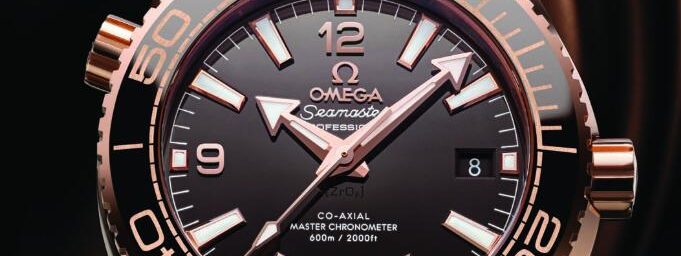

Buying a used Rolex has, for several decades now, been a bit of a treasure hunt. You could wander into a tiny shop tucked away between a tailor and a tobacconist, look into a tray of replica watches UK under a warm yellow light, and ask questions with answers that weren’t always neatly packaged. Who owned it before? Has it been polished? Are the hands original? The whole experience was like living somewhere between scholarship and instinct.
But that slightly chaotic ecosystem was part of its charm. The pre-owned watch market, democratic and scrappy, was full of small dealers, collectors, and amateurs who were in it for the chase. Then in 2022, Rolex stepped into that world, launching its Certified Pre-Owned (CPO) program. This allowed authorized retailers to sell second-hand AAA Rolex replica watches that had been inspected, authenticated, and serviced by Rolex themselves. Each watch came with an official seal and a two-year international warranty, which seemingly overnight brought the brand into a space they had previously left alone.
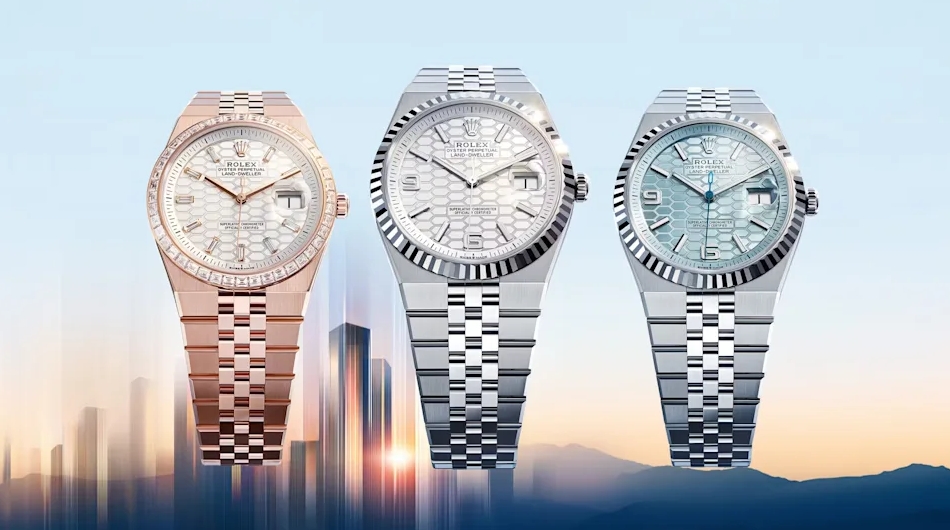
While the move looked almost experimental at first, in just a few short years, it had grown into something massive. The global Rolex secondhand market is worth an estimated $5.8 billion, and the CPO program now represents 10% of that. Just in 2025, certified pre-owned Rolex sales generated a staggering $594 million (that’s no small chunk of change). For buyers, it’s a fantasy come to life: a used Rolex but with the reassurance of buying it new. However, for me personally, this raises a bigger question: Are luxury brands like Swiss Rolex copy watches ultimately controlling the second-hand watch market?
The Counterfeit Problem Behind the Program
It’s hard to understand Rolex’s reasoning for starting the program without some knowledge of the scale of the counterfeit problem. Rolex is considered one of the most counterfeited watch brands in the world (any of us who have been to a big Italian city on vacation can attest to this). Some industry estimates suggest that roughly half of all fake luxury watches are replicas of Rolex’s, which in itself is a testament to the brand’s recognition. This number isn’t particularly shocking if you know anything about replica Rolex watches for sale.
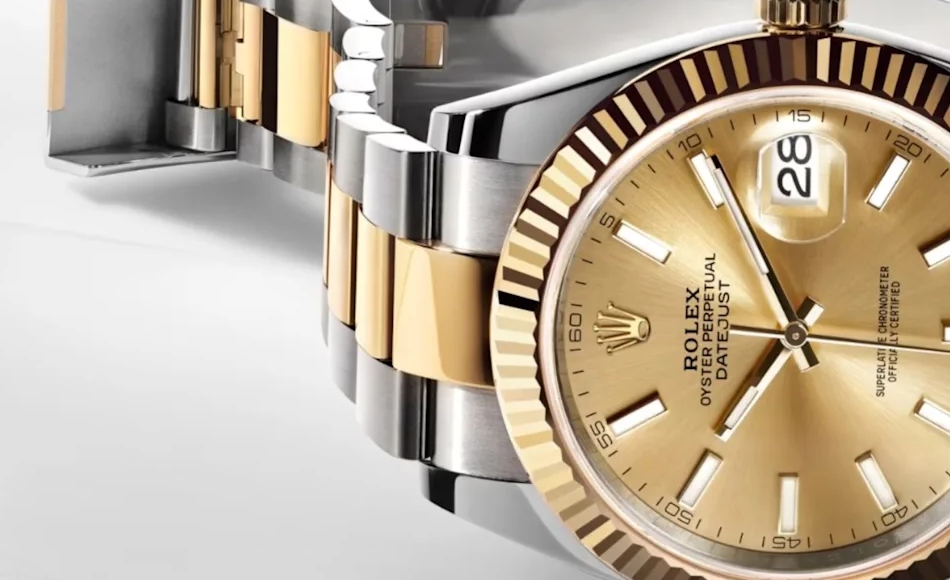
The Rolex crown logo is one of the most recognizable symbols not only in horology but in the world in general. For someone wanting to produce a counterfeit watch, a Submariner or Daytona is the obvious template. These days, counterfeit best Rolex replica watches have become frighteningly convincing, to the point where it’s difficult for even an expert to spot the difference. Naturally, the secondary market is where those fakes most easily circulate. Online marketplaces, small dealers, and private sales give ample opportunity for counterfeit watches to slip through the cracks.
One industry report found that around one-third of watches submitted to resale platforms failed authentication checks, with Rolex watches accounting for about half of those. For Rolex, that’s not only annoying, but it’s a risk to their reputation. This CPO program for them is actually a major defensive strategy. By creating an official channel for authenticated pre-owned watches, perfect Rolex clone watches can try to squeeze out these counterfeit watches from the most visible parts of the market while at the same time reassuring their customer base that a certified watch is the real deal.
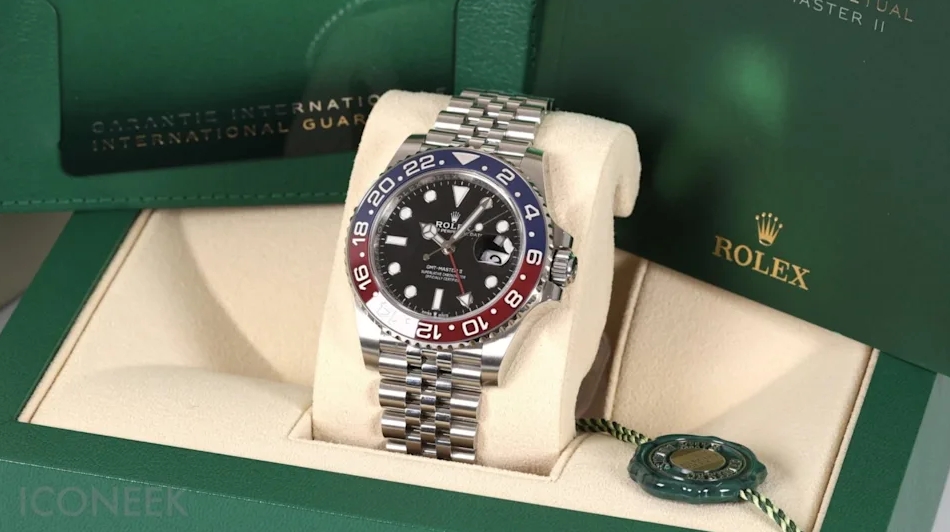
Less Room for the Little Guys
The pre-owned (or pre-loved, as I like to call it) Rolex market has, for a long time, played host to small businesses and independent specialists who have built their reputations on expertise. These are the kind of people who know all about obscure dial variations, subtle production quirks, and those strange references collectors obsess over. But the CPO model is gradually shifting power away from these people. If customers continue gravitating toward watches that carry Rolex’s blessing, independent dealers will suddenly find themselves with a tougher sell. Even if their cheap Rolex replica watches are truly authentic, they don’t have the reassurance that a real brand-certified watch can provide.
In TL;DR terms, Rolex super clone watches online is now sitting right in the middle of transactions that once happened entirely outside their orbit. When a brand sits squarely in the middle, inevitably, this will shape the rules of the market.
The End of the Treasure Hunt?
There is another loss here that is more subtle, but as top fake Rolex watches fan, it’s not lost on me; it’s less to do with the economics and more with the culture. What made second-hand watch collecting and hunting so much fun was the unpredictability. You might stumble on a vintage gem, highly mispriced in a dusty display case. You could spend months tracking down a specific reference. You might even get to negotiate. There was always the sense that with a bit of knowledge and a lot of luck, you might find something special.
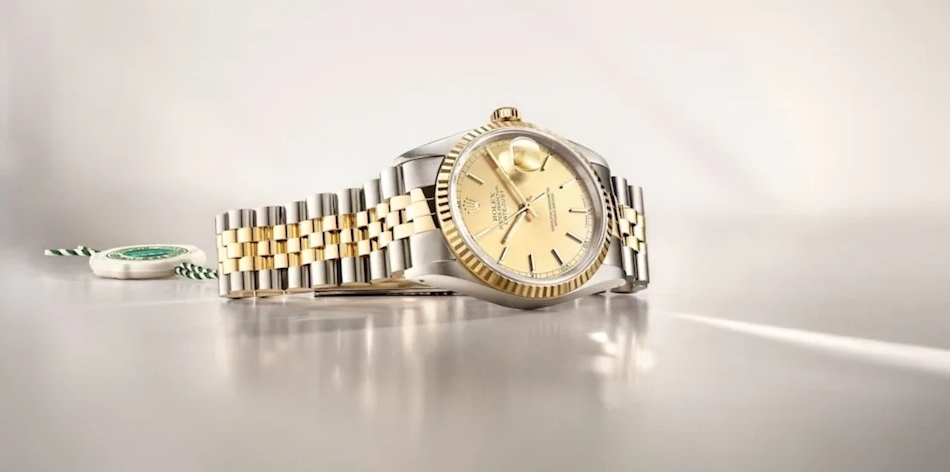
If the market becomes more professionalized, there is less room for these moments. Honestly, I would put this on par with going from the nostalgia of the 90s and early 2000s to the social media age we now find ourselves in; it feels like we have lost out on genuine moments. Many buyers like the safety of buying a CPO watch that is priced precisely, inspected, catalogued, and perfectly integrated into the luxury retail system. For others, something about this experience just feels different. Gone are the days of the thrill of the hunt when the treasure you find is perfectly labeled and waiting under a boutique light.
A Safer Market—But a Different One
None of what I said above means the CPO revolution is a bad thing. Obviously, it protects customers, pushes out counterfeits, and gives buyers some peace of mind in a market that has always required a fair amount of trust. However, it also signals a broad shift in luxury. Brands like China Rolex replica watches are no longer content with their dominance over the primary market alone. They increasingly want influence over what happens after the first sale as well. The result is a secondary market that feels less like a flea market and more like an extension of a jewelry store.
Safer? Sure. But perhaps a little less adventurous than it used to be.